
How to Stop a Corgi From Nipping People Who Touch His Paws
By: David Codr
Published Date: June 17, 2017
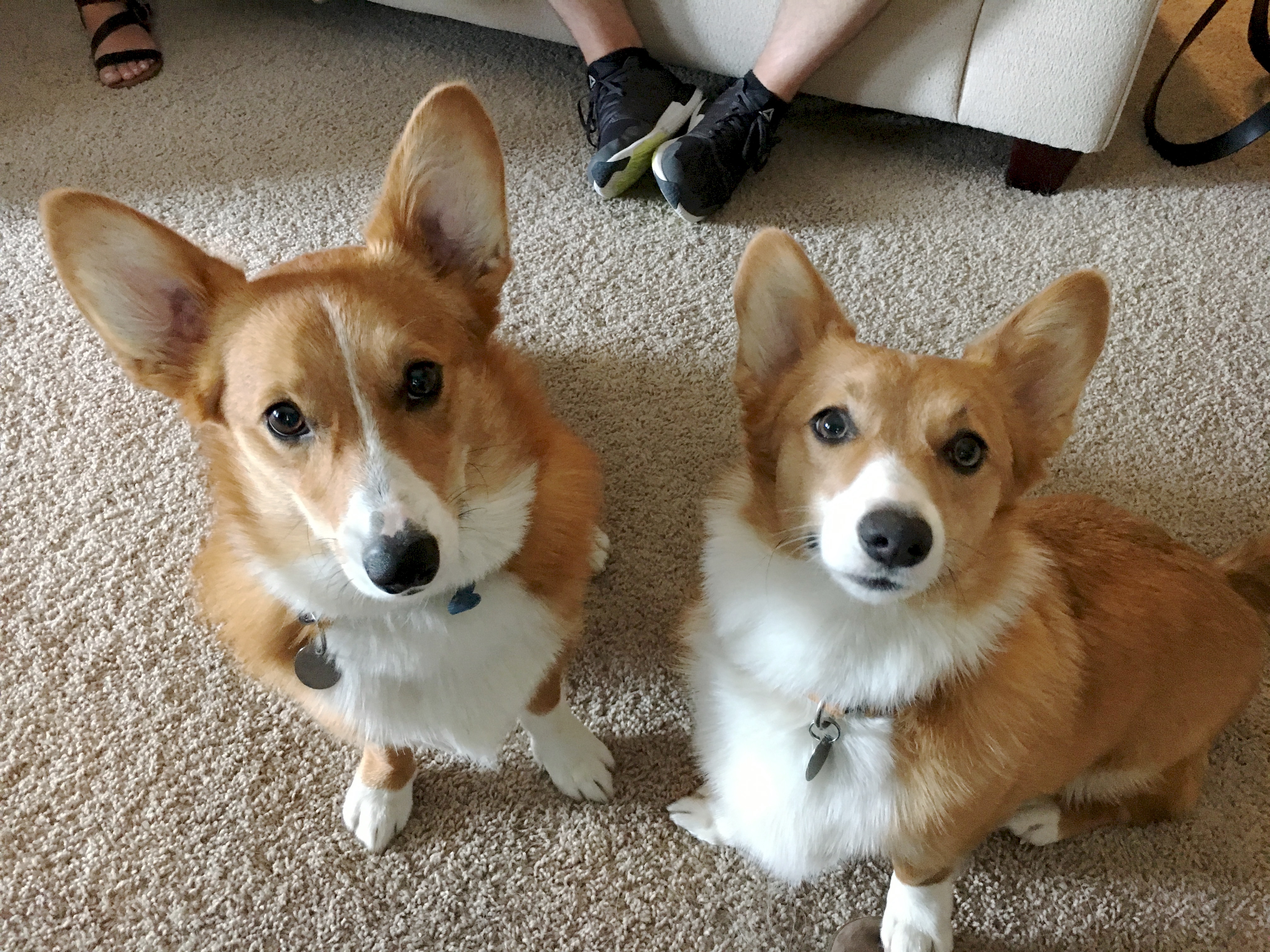
For this Omaha dog training session, we worked with Fred, a one-year-old Corgi. His guardians contacted us to learn how to stop a corgi from nipping.
Fred has a tendency to nip at people when they touch or attempt to trim his toes.
Both Fred and his sister, Olive, were excited to see me when I arrived for the session, doing some jumping, barking and circling around.
But once I passed through the baby gate at the top of the stairs, it only took a moment for them to settle down.
After talking with their guardians, I found that a lack of structure caused some unwanted dog behaviors and some Corgi nipping.
As a dog behaviorist, I have found that a lack of structure can make dogs think listening to their humans is optional. To shift the leader-follower dynamic, I suggested some rules and boundaries as well as ways to enforce them.
I also discussed new ways to communicate with the dogs. I also shared some tricks to help motivate them.
These methods focus on everyday interactions instead of formal training exercises. This is a step many dog trainers are unaware of but can be a huge influence when it comes to rehabilitating a dog.
Tips to Stop a Corgi From Nipping
To help with Fred’s dog nipping behavior towards people who touch his paws, I used a counterconditioning exercise. I also added some desensitization. You can watch me doing this with Fred and pick up some free dog training tips in the video below.
The keys to this exercise are to be delivering the treat before you start touching and to go slowly. If the person starts going right for Fred’s paws, he will start moving away.
How to Use Counterconditioning to Stop Dog Nipping Behavior
Fred is a great little dog, but he has a strong dislike for having his paws touched.
To help with this, we began some priming work using high-value treats—specifically, squishy Tricky Trainers that he could chew on like marshmallows.
At first, the goal was simply to get him comfortable chewing while being gently handled. We started by petting him in non-sensitive areas, like his shoulder or collar line, while he was occupied with a treat.
This helped ease him into the idea of being touched while enjoying something positive.
As we progressed, we gradually worked our way down his body toward his feet. The key was to move slowly and not push past his comfort zone, paying close attention to his reactions. If Fred froze or looked uneasy, that was our signal to stop and take a step back.
We used counterconditioning to stop dog nipping and change his negative feelings about paw handling. We replaced them with positive experiences like treats and gentle contact.
It’s important not to move too quickly. Many people make the mistake of going directly for the sensitive area. This can make the dog react or avoid interaction completely.
Instead, by taking our time and staying within his comfort range, Fred began to enjoy the process. His tail wagged, and he responded positively, even when we got close to his toes.
Eventually, we aim for Fred to willingly place his paw in our hand, shifting from avoidance to engagement. This will make things like nail trims much easier and less stressful.
You can use the same technique at the vet’s office. Dogs often feel uncomfortable when strangers handle them in ways that feel invasive.
You should take your dog to the vet for social visits. Give them treats and positive attention. This helps create a better association with the vet.
Over time, the goal is for Fred to be comfortable with having his feet, ears, tail, and other sensitive areas touched, even by strangers. This takes consistency and patience.
Using counterconditioning in a calm and familiar place helps dogs get ready for real-life situations. This includes vet visits, grooming, or regular care at home.
By replacing anxiety with positive experiences, we help them build trust and reduce reactivity.
If Fred’s parents go slow and only move an inch or so closer to his paw with each treat, he won’t even notice when the do get there.
It is important to repeat this exercise many times. You can also add some repetitions without petting. I try to wait for the dog to sleep or nap before practices as dogs process what they learn in their sleep.
We wrapped up the session by going over our roadmap to success video that you can watch below.
Want to Eliminate Dog Nipping Behavior? Click Here to Book a SessionCategorized in: Dog Behavior